26/11/2025
Skincare Products That Cause Breakouts: The Ingredient Red Flags for Sensitive Skin
Skincare Products That Cause Breakouts: The Ingredient Red Flags for Sensitive Skin
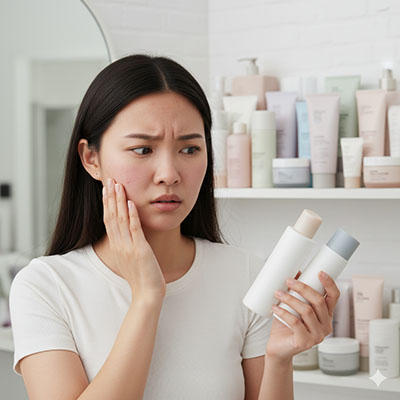
Have you ever introduced a new skincare product into your routine, full of hope, only to be met with a fresh wave of breakouts a few days later? If you have sensitive, acne-prone skin, this frustrating experience can feel like the norm, not the exception.
You’re not doing anything wrong—you might just be using the wrong products. Many common skincare ingredients, while fine for some, can clog pores or trigger inflammation in sensitive skin types, leading to exactly the acne you're trying to fight.
This guide will help you become a label-reading expert. We’re uncovering the top skincare ingredients and product types that often cause breakouts, empowering you to make safer choices for a calm, clear complexion.
Why Do Some Skincare Products Cause Breakouts?
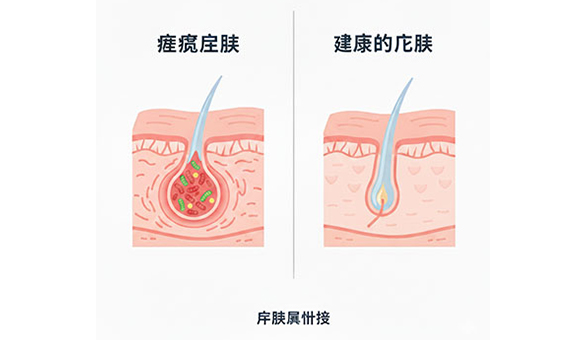
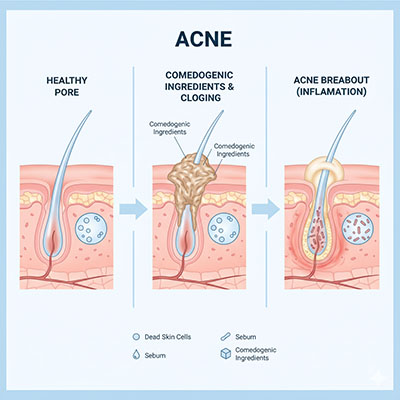
The culprit is often comedogenic ingredients. This simply means a substance has a high tendency to clog pores. When a pore is clogged with oil, dead skin cells, and product residue, it creates the perfect environment for acne bacteria to thrive, leading to blackheads, whiteheads, and inflamed pimples.
For those with sensitive skin, the problem is twofold: not only can these ingredients clog pores, but they can also cause irritation and compromise your skin barrier, making you more vulnerable to breakouts.
Top 5 Ingredient Red Flags for Acne-Prone Skin
Here are the most common offenders to watch out for on your product labels.
| Ingredients | Description |
|---|---|
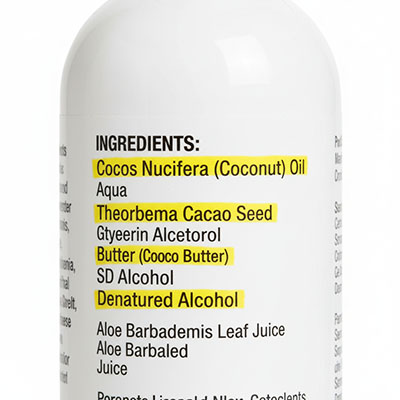
| 1.Comedogenic Oils | Heavy, pore-clogging oils are a primary trigger. Examples: Coconut Oil, Cocoa Butter, Wheat Germ Oil, Linseed Oil. What to Look For Instead: Non-comedogenic oils like Isononyl Isononanoate or Botanical Squalane, without clogging pores. |
| 2. Certain Silicones | Silicones like **Dimethicone** create a smooth, occlusive barrier on the skin. While this is great for locking in moisture and creating a silky feel, it can also trap debris and oil underneath, leading to breakouts for some. When to Be Cautious: In heavy creams, primers, and sunscreens. Look for lighter, water-based formulas. |
| 3. Synthetic Fragrances & Essential Oils | Fragrance is one of the leading causes of skin sensitivity and allergic reactions. This irritation can manifest as redness, itching, and—you guessed it—breakouts. The Smart Choice: Always opt for "Fragrance-Free" products. "Unscented" can sometimes mean masking fragrances are used. |
| 4.Drying Alcohols | Not all alcohols are bad, but short-chain alcohols like SD Alcohol, Denatured Alcohol, or Isopropyl Alcohol can be overly stripping. The Problem: They disrupt your skin's moisture barrier, leading to dryness and irritation. Your skin may then overcompensate by producing *more* oil, which can worsen acne. |
| 5. Lanolin & Its Derivatives | Lanolin is a wonderful emollient derived from sheep's wool, but it is a known comedogen for many people. If you're prone to breakouts, it's best to avoid this and its derivative, Acetylated Lanolin Alcohol. |
How to Build a Safe Skincare Routine
Knowing what to avoid is half the battle. The other half is choosing the right, gentle allies for your skin.
-
Read Labels Diligently: Make it a habit to scan the ingredient list (INCI) before you buy.
-
Look for Key Phrases: Seek out products labeled "Non-Comedogenic," "Oil-Free," and "Fragrance-Free."
-
Patch Test Everything: Before applying a new product all over your face, test it on a small, discreet area (like behind your ear or along your jawline) for a few days to see how your skin reacts.
Frequently Asked Questions About Pore-Clogging Products
- Breakouts appearing in 1-2 weeks after starting a new product
- Bumps concentrated in an area where you don't normally break out
- An increase in small whiteheads or closed comedones. The best way to confirm is with a patch test and temporarily discontinuing the suspect product to see if your skin improves
- Stop using the product immediately.
- Simplify your routine: Go back to a bare-bones routine of only a gentle cleanser, a basic moisturizer, and sunscreen.
- Be patient: It can take 4 to 8 weeks for your skin to fully recover and cycle through the irritation.
- Seek professional guidance: If breakouts persist, consult a dermatologist or a skincare expert like Luvaii Purifaces. We can provide personalized product recommendations through professional skin analysis.
Your Gentle Path to Clearer Skin Starts Here
Navigating the world of skincare with sensitive, acne-prone skin can feel like a minefield. But by learning to spot these common ingredient red flags, you can take control of your routine and stop breakouts before they start. Remember, the key to clear skin is consistency and gentleness, not harsh, stripping products.
At Luvaii Purifaces, we pride ourselves as the best skin care management company. We use no needles, no drugs, and no lasers. We effectively improve acne-prone skin, sensitive skin, hyperpigmentation, and aging skin through scientifically proven, safe products and professional treatments. LuVaii Purifaces' exclusive products and treatments help you achieve healthy, youthful, and anti-aging skin, restoring your natural, healthy beauty.
Why Trust Luvaii Purifaces?
-
ISO 22716 certified & GMP compliant manufacturer - Each formula meets the most stringent global quality standards and full quality control from raw materials to finished products.
-
Supported by Expertise - With the support of more than 200 dermatologists and skincare experts, our advanced skincare management system is recognized by professionals.
-
Personalized Care - We use real-time skin analysis to customize your treatment.
-
Swiss Research, Asian Focus - LuVaii Purifaces is the culmination of years of research by Swiss dermatologists, focusing on Asian skin repair.
-
Cutting-Edge Technology - We utilize the latest biotechnology and precise R&D tools to create highly effective skincare solutions.
We formulate our products with this exact philosophy in mind. Our entire range is built and designed to calm sensitivity while effectively managing acne, working in harmony with a healthy lifestyle.
Ready to simplify your routine with products you can trust? Drop us a message on WhatsApp and our Skin Care Management Specialist will attend to your request.