27/11/2025
Diet for Sensitive Acne Prone Skin: The Ultimate Guide to Eating for a Clear Complexion
Diet for Sensitive Acne Prone Skin: The Ultimate Guide to Eating for a Clear Complexion
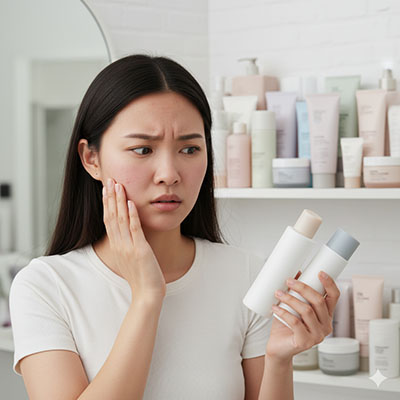
If you have sensitive, acne-prone skin, you know the struggle is real. You’ve likely tried every gentle cream and serum, but what if one of the biggest triggers was on your plate? The connection between diet and acne is no longer a myth; it's a scientific reality. For those with sensitive skin, the inflammatory response to certain foods can be the key culprit behind persistent breakouts.
This guide cuts through the noise. We’re exploring how your diet directly impacts skin inflammation and providing a clear, actionable plan on what to eat and what to avoid to calm your skin from the inside out.
The Science Behind Diet and Skin Inflammation
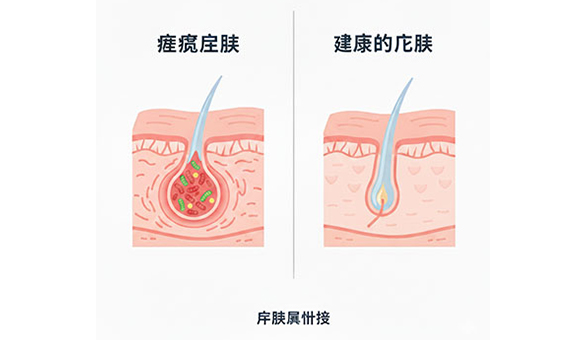
Acne is, at its core, an inflammatory condition. When you have sensitive skin, your inflammatory response is already on high alert. Certain foods can spike your blood sugar, trigger hormone fluctuations, or directly cause inflammation, all of which can lead to increased oil production, clogged pores, and painful breakouts. Managing your diet helps to lower this overall inflammation, giving your skin a fighting chance to heal.
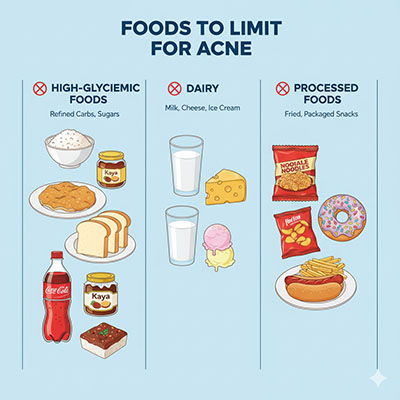
Foods to Limit for a Calmer Complexion
While everyone's triggers are unique, these common culprits are a great place to start if you're looking to identify what might be worsening your acne.
| Ingredients | Description |
|---|---|
| 1. High-Glycemic Foods | These foods cause a rapid spike in your blood sugar and insulin levels.
|
| 2. Dairy (Especially Skim Milk) | Multiple studies have linked dairy, particularly skim milk, to increased acne severity.
|
| 3. Highly Processed & Greasy Foods | A diet high in processed foods, trans fats, and excessive omega-6 fatty acids (common in many vegetable oils) promotes systemic inflammation.
|
Anti-Inflammatory Foods to Embrace for Clear Skin
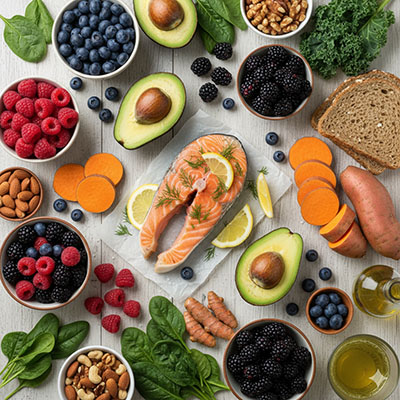
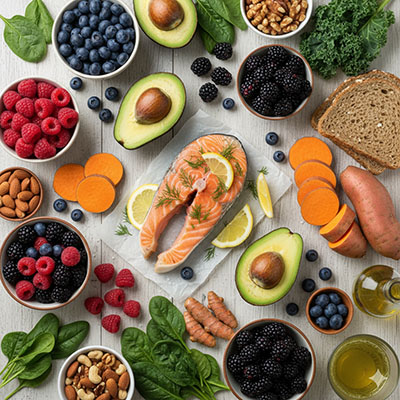
Now for the good part! Loading your diet with these skin-loving nutrients can help soothe sensitivity and reduce breakouts.
| Ingredients | Description |
|---|---|
| 1. Omega-3 Fatty Acids: The Soothers | These are powerful anti-inflammatory fats.
|
| 2. Antioxidant-Rich Fruits & Vegetables: The Protectors | They fight free radical damage and reduce inflammation.
|
| 3. Zinc-Rich Foods: The Healers | Zinc helps reduce inflammation, fight acne-causing bacteria, and support skin healing.
|
| 4. Probiotics: The Balancers | A healthy gut often translates to healthy skin. Probiotics support a balanced gut microbiome, which can help modulate inflammation.
|
Putting It All Together: A Sample 1-Day Meal Plan
- Breakfast: Overnight oats made with rolled oats, almond milk, chia seeds, and fresh blueberries.
- Lunch: A large salad with mixed greens, grilled chicken, chickpeas, avocado, and an olive oil-lemon juice dressing.
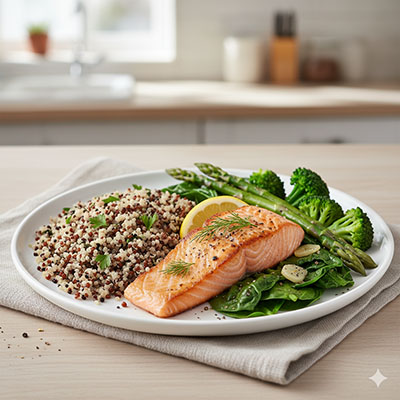
- Dinner: Baked salmon with a side of quinoa and steamed broccoli.
- Snack: A handful of walnuts or a green smoothie.
Frequently Asked Questions About Diet and Acne
Your Holistic Path to Clear Skin Starts Here
Managing sensitive, acne-prone skin requires a dual approach: what you put on your skin is just as important as what you put in your body. By making mindful dietary choices, you can significantly reduce underlying inflammation and create an internal environment where your skin can truly thrive.
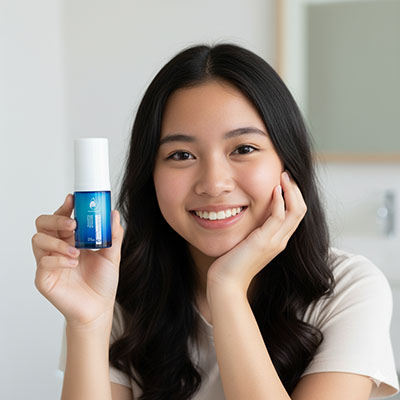
At Luvaii Purifaces, we pride ourselves as the best skin care management company. We use no needles, no drugs, and no lasers. We effectively improve acne-prone skin, sensitive skin, hyperpigmentation, and aging skin through scientifically proven, safe products and professional treatments. LuVaii Purifaces' exclusive products and treatments help you achieve healthy, youthful, and anti-aging skin, restoring your natural, healthy beauty.
Why Trust Luvaii Purifaces?
-
ISO 22716 certified & GMP compliant manufacturer - Each formula meets the most stringent global quality standards and full quality control from raw materials to finished products.
-
Supported by Expertise - With the support of more than 200 dermatologists and skincare experts, our advanced skincare management system is recognized by professionals.
-
Personalized Care - We use real-time skin analysis to customize your treatment.
-
Swiss Research, Asian Focus - LuVaii Purifaces is the culmination of years of research by Swiss dermatologists, focusing on Asian skin repair.
-
Cutting-Edge Technology - We utilize the latest biotechnology and precise R&D tools to create highly effective skincare solutions.
We formulate our products with this exact philosophy in mind. Our entire range is built and designed to calm sensitivity while effectively managing acne, working in harmony with a healthy lifestyle.
Ready to simplify your routine with products you can trust? Drop us a message on WhatsApp and our Skin Care Management Specialist will attend to your request.